Technology — Listen Free 🎧 | Contact 📧
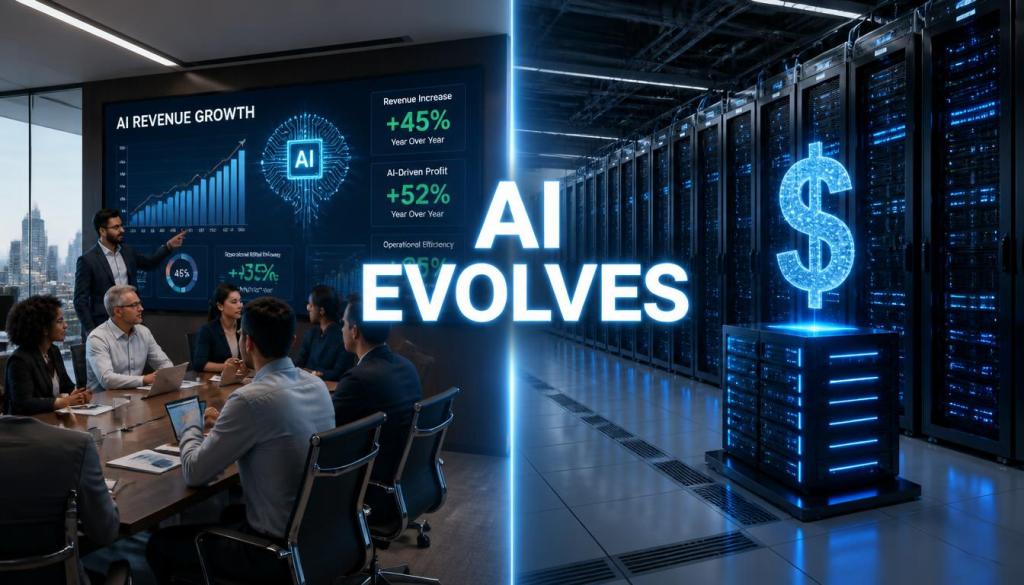
After a sharp market correction that saw South Korea’s Kospi fall nearly 40% from its peak, AI stocks rebounded sharply on Friday — but the rules of the game have changed. Markets are no longer rewarding companies merely for announcing larger AI spending plans. Instead, they are demanding evidence that those billions are translating into revenue growth and customer demand.
The Kospi cratered 17 per cent in three days, and 40 per cent since June, before rebounding sharply. The index, dominated by Samsung and SK Hynix, remains up about 50 per cent in 2026, but that’s little comfort to latecomers who chased the enormous rally. The benchmark index eventually closed at 5,663.24 on July 29, reflecting mounting concerns over the sustainability of the AI-led rally. The correction marked a dramatic reversal from the extraordinary gains seen during the first half of the year, when the KOSPI had surged 116%, crossing the 9,000 mark for the first time. The KOSPI plunged 22.18% in July, marking its worst monthly performance since the 2008 global financial crisis.
Why It Matters:
This shift has real consequences for workers, consumers, and investors:
- For workers: Companies that can demonstrate ROI from AI are more likely to sustain investments in AI tools that could transform jobs and productivity.
- For consumers: The shift toward “AI application” means companies are looking to use AI to cut costs and improve services — not just build hype.
- For investors: The market is no longer handing out premiums simply because companies are spending more on AI. It’s rewarding those that can demonstrate that every dollar invested is backed by tangible earnings growth.
What We’re Watching:
- Big Tech: Microsoft jumped roughly 15% after reporting quarterly earnings that exceeded market expectations, reinforcing confidence that aggressive AI investments are beginning to translate into higher profits. Azure revenue grew 43% in the fiscal fourth quarter, accelerating from 40% in the third quarter. Microsoft Cloud revenue reached $59.3 billion, up 27%, and Satya Nadella disclosed that Azure revenue surpassed $100 billion for the first time — a milestone that reframes the scale of what’s being defended. Amazon’s overall sales were up 20%, its fastest growth in 20 quarters, while its cloud behemoth AWS grew 37%, its fastest rate in 18 quarters. Amazon’s backlog of cloud contracts jumped from $364 billion to $496 billion in a single quarter — a 36% sequential increase. Amazon increased its expected 2026 cash capital expenditures to approximately $220 billion, up from a previous estimate.
- The Cost Factor: Concerns about capital expenditures from giants have echoed the early story of Amazon AWS, but the opportunities in AI are far greater. Morgan Stanley estimates total AI CapEx, including neo-cloud providers, stands at approximately $870 billion in 2026.
- The Global Race: Meta has signed $279 billion in off-balance sheet lease obligations primarily dedicated to expanding its AI capabilities, adding an extra $68 billion in commitments during July alone, with those leases slated to commence in 2027 and 2028. Meanwhile, the EU is launching a €30 billion AI supercomputer program — building seven AI “gigafactories” across Europe. The broader objective is to significantly expand available AI computing power in Europe and reduce dependence on foreign technology.
The Bottom Line:
The AI revolution isn’t over — but it’s entering a new phase. The winners will be companies that can demonstrate real returns from their AI investments. For everyday people, that means AI will increasingly be integrated into the products and services they use, but the hype-driven “spend at all costs” era is over.
Sources
Outlook Business: “From AI Panic To Record Rally: Why South Korea’s KOSPI Posted A Record Rally” (July 31, 2026)
The Irish Times: “South Korea’s AI stock crash teaches retail investors an old market lesson” (August 2, 2026)
Constellation Research: “Microsoft Azure Q4 revenue surges 41%, tops $100 billion in annual revenue” (July 29, 2026)
Nasdaq: “Microsoft Answers the Capex Question – And the Stock Finally Responds” (July 30, 2026)
Reuters: “Amazon Lifts Investment Plans After Strong Cloud Sales; Shares Jump” (July 30, 2026)
CNBC: “AWS’ outperformance gives Wall Street analysts confidence in Amazon’s AI strategy” (July 31, 2026)
TahawulTech: “Meta accelerates infrastructure commitments” (July 31, 2026)
Morgan Stanley: “Data Centers’ Political Battle” (July 23, 2026)
Dutch Startup AI: “EU allocates up to €30 billion for AI gigafactories, but US tech giants spend twenty times more” (August 1, 2026)
Economic Times Enterprise AI: “European Union seeks €30 billion investment for AI gigafactories” (July 31, 2026)
AI
 The People's Weekly
Leave a comment